
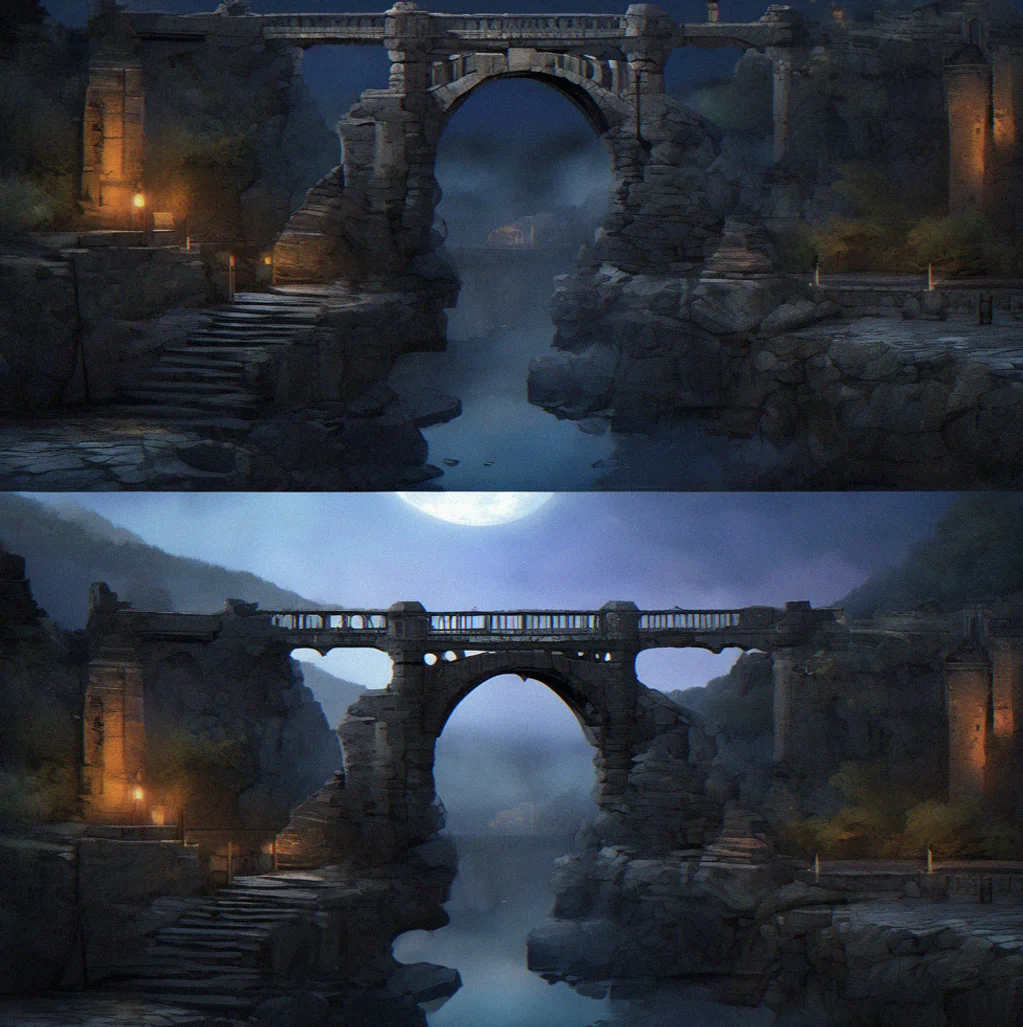
Fix the bridge. See what's beyond.
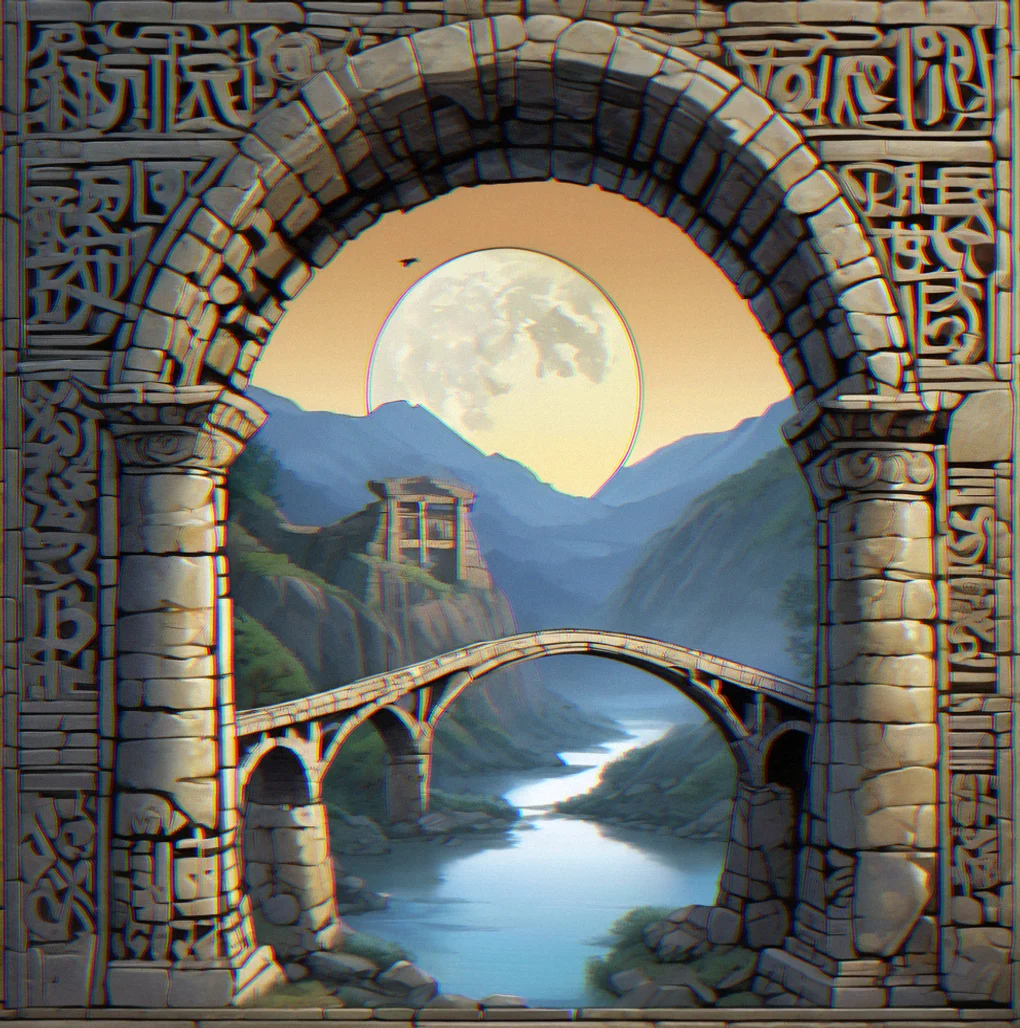
A kingdom hidden in moonlight. Puzzles nested inside each other, waiting for someone patient enough to look.
Silver Bridge is for players who think about how things fit together. You see a broken mechanism and wonder why it's broken, not just what to do next. No countdown. No health. The world speaks through logic and the space between actions.
Solving one puzzle opens a door you didn't see before. Another chamber connects to ruins further out. Piece by piece, the bridge repairs itself and the kingdom's shape comes clear. This is about knowing, not rushing.
How puzzles become architecture
What makes a puzzle feel alive instead of tedious? It's that moment between figuring out what needs to happen and actually making it happen. Silver Bridge sits in that space really carefully. Each chamber asks you to think before you do anything. The bridge doesn't fix itself through some cinematic or by grinding for new abilities. It repairs because you noticed what was broken and traced the pattern that would put it back together.
Everything here rewards you for paying attention. You'll spot a weathered stone pattern in one ruin that shows up again as a mechanism three chambers over. A carved sequence on some pedestal matches the arc of stars you see outside. You don't unlock progression through experience points or by collecting things. It opens up when the architecture starts making sense to you, when you can read how the kingdom actually works. That click of understanding, happening over and over across all these connected spaces, is what the game really is.
There's no rush. No timers hanging over you. No enemies pushing you forward. You wander through moonlit hallways at whatever pace feels right, looking, experimenting, thinking things through. One person might spend all afternoon in a single room. Another moves through faster. Both are fine. The kingdom doesn't care about how fast you go. It just opens up for people who take their time with it.
Environmental storytelling through mechanics
The ruins don't explain themselves through characters talking at you. They tell you what happened through what's falling apart, the patterns that repeat and the leftovers from whoever was here before. Every puzzle is something people made and left behind. Every time you solve one, you're changing the world.
Interconnected chambers, not isolated levels
Solve something in the eastern ruins and a door opens way over in the western tower. Mechanisms reach across the whole landscape. Rebuilding the bridge isn't a checklist of separate problems. It's all tangled together, one thing affecting another, spreading across the whole kingdom.
Logic over reflexes
You're not jumping or fighting or racing against a clock. The only thing stopping you is understanding what to do. The puzzle is your only real opponent, and it's patient about it, waiting for you to observe carefully and think sideways.
Atmosphere as game design
The moonlight hitting stone, wind moving through the ruins, how shadows play across carved details, the way sound carries in empty spaces — none of that is just window dressing. It points you toward what matters, hints at answers, sets the whole contemplative mood of exploring this place. The way it looks and the way it plays are the same thing.
What you'll encounter
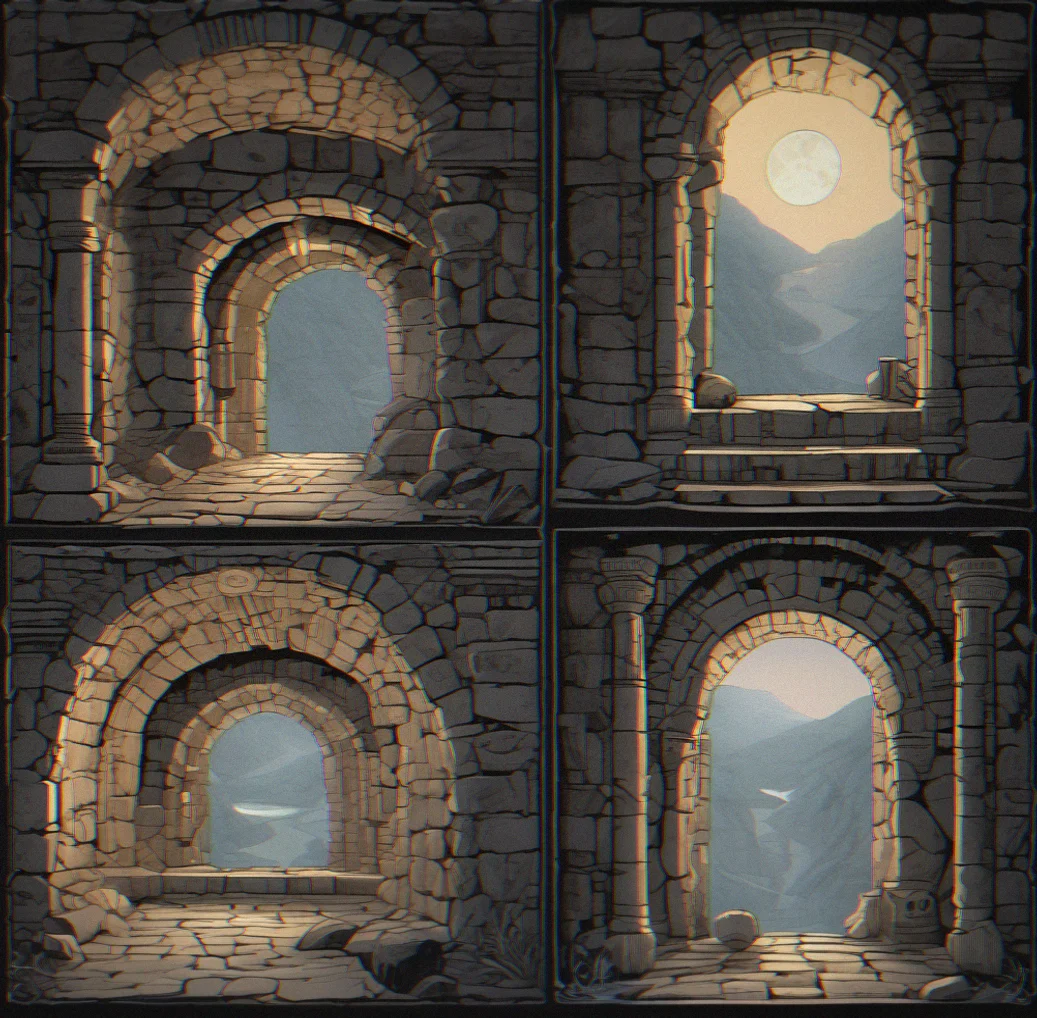
Interconnected puzzle chambers
Twenty-seven distinct spaces scattered across the kingdom, each connected by logic rather than corridors. Solve one chamber and passages open elsewhere — the world responds to understanding.
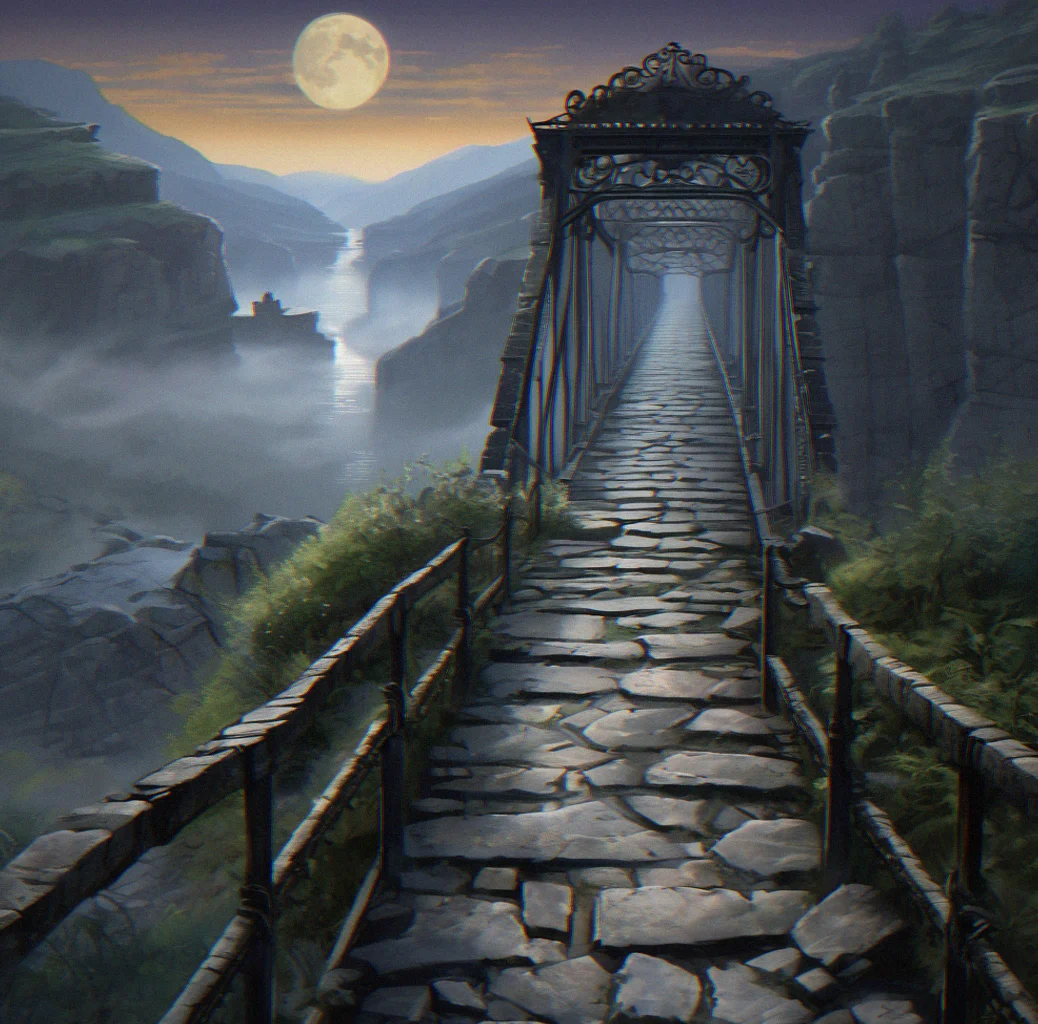
No timers, no reflexes required
Move at your own pace. There's no clock counting down, no enemies pushing you forward. The only pressure is the puzzle itself waiting to be understood.
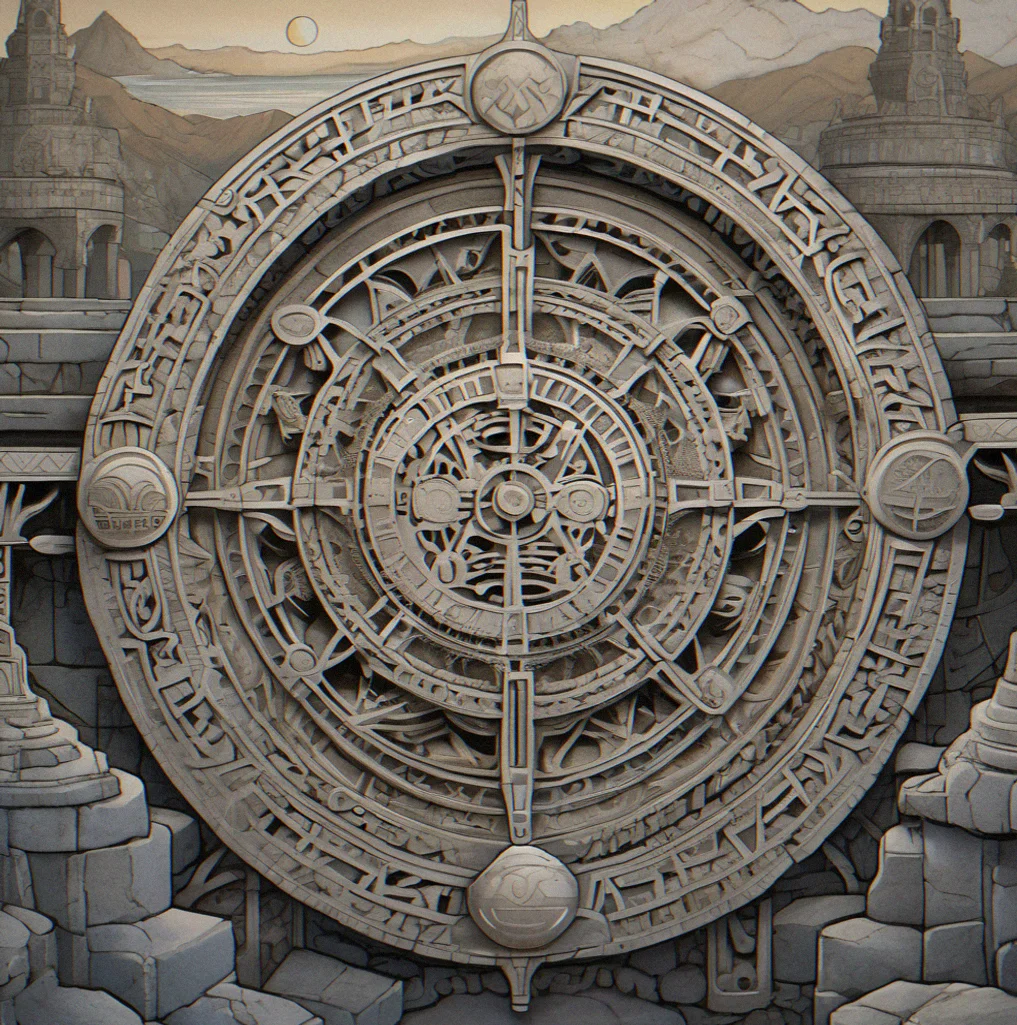
Environmental narrative woven into stone
The ruins tell their history through carvings, tool marks, and abandoned mechanisms rather than cutscenes or text boxes. Every artifact holds a clue. Every chamber echoes stories of those who came before.
Progression through logic alone
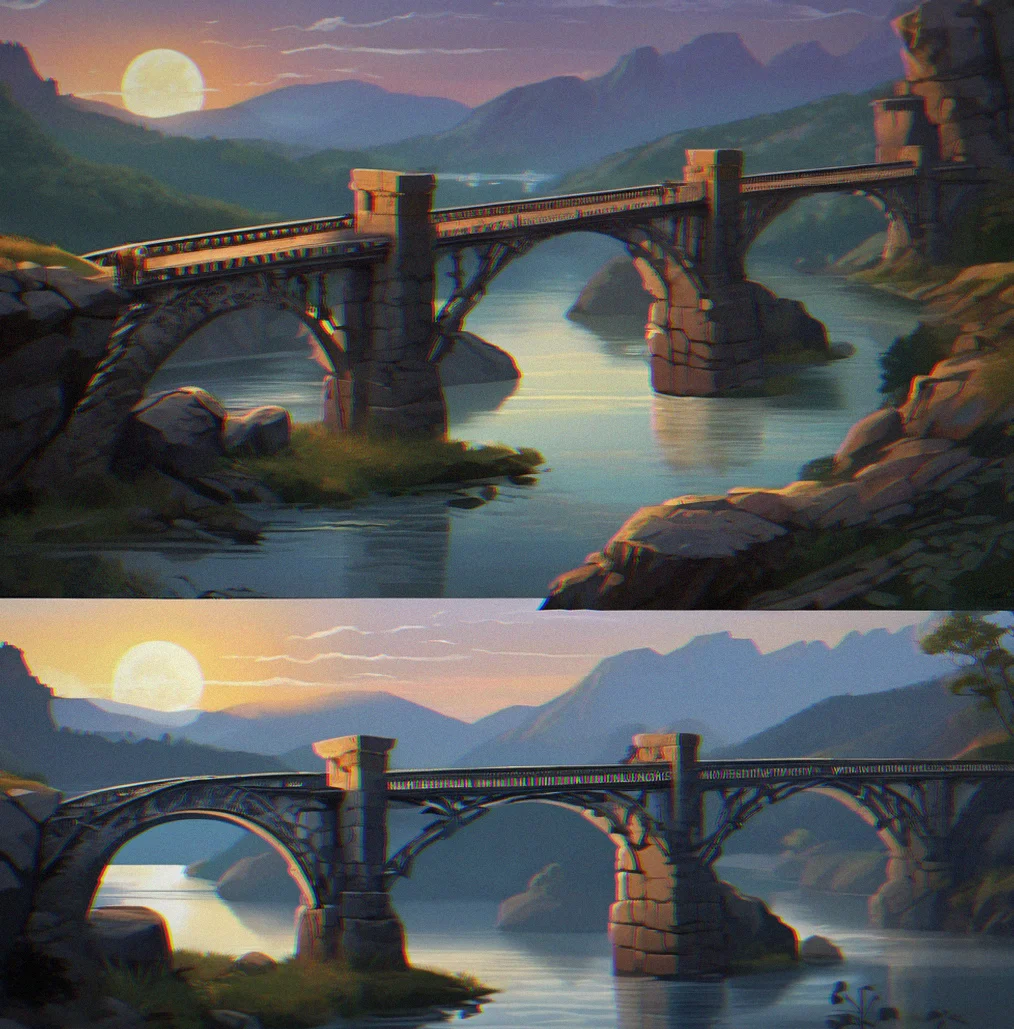
No experience points, no skill trees, no shortcuts. The bridge restores only when you've genuinely solved the systems that hold it together and that takes real understanding.
Hidden ruins across a moonlit landscape
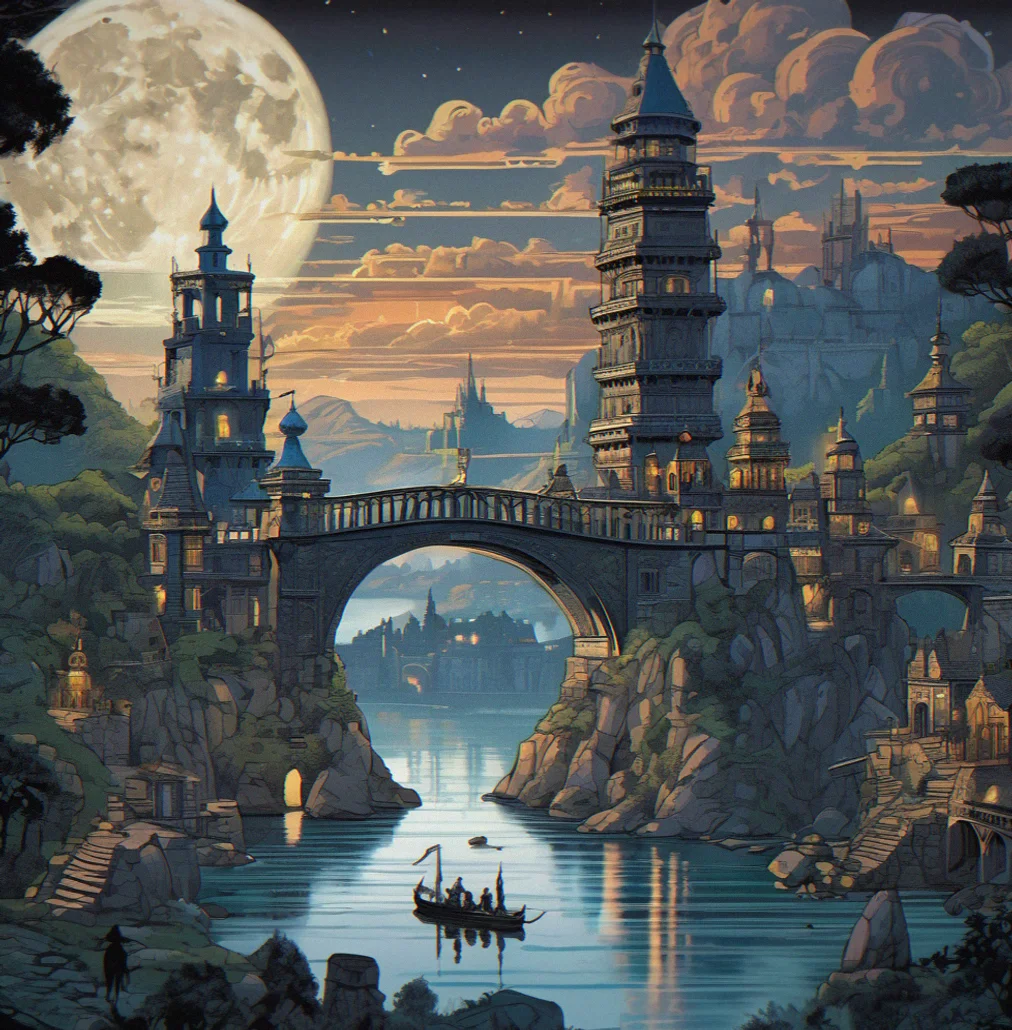
The kingdom sprawls wide. Towers rise from fog. Distant structures visible from one peak become accessible only after you've worked through sequences elsewhere. Exploration and puzzle-solving fuel each other.
Deliberate pacing built into design
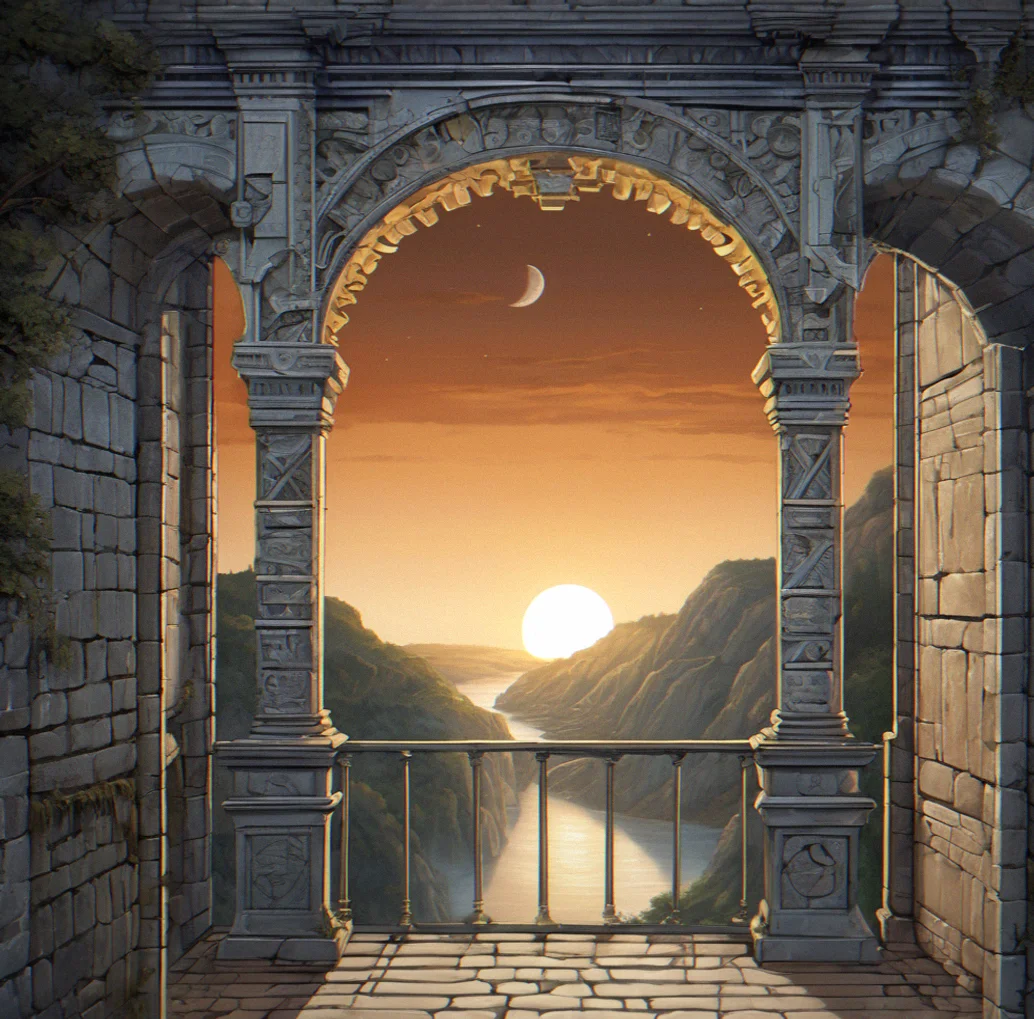
This isn't a game that rushes you. Chambers are generously sized. Solutions aren't hidden behind arbitrary difficulty spikes — they reward observation and lateral thought. You'll spend real time here.
Mechanics that reveal the world
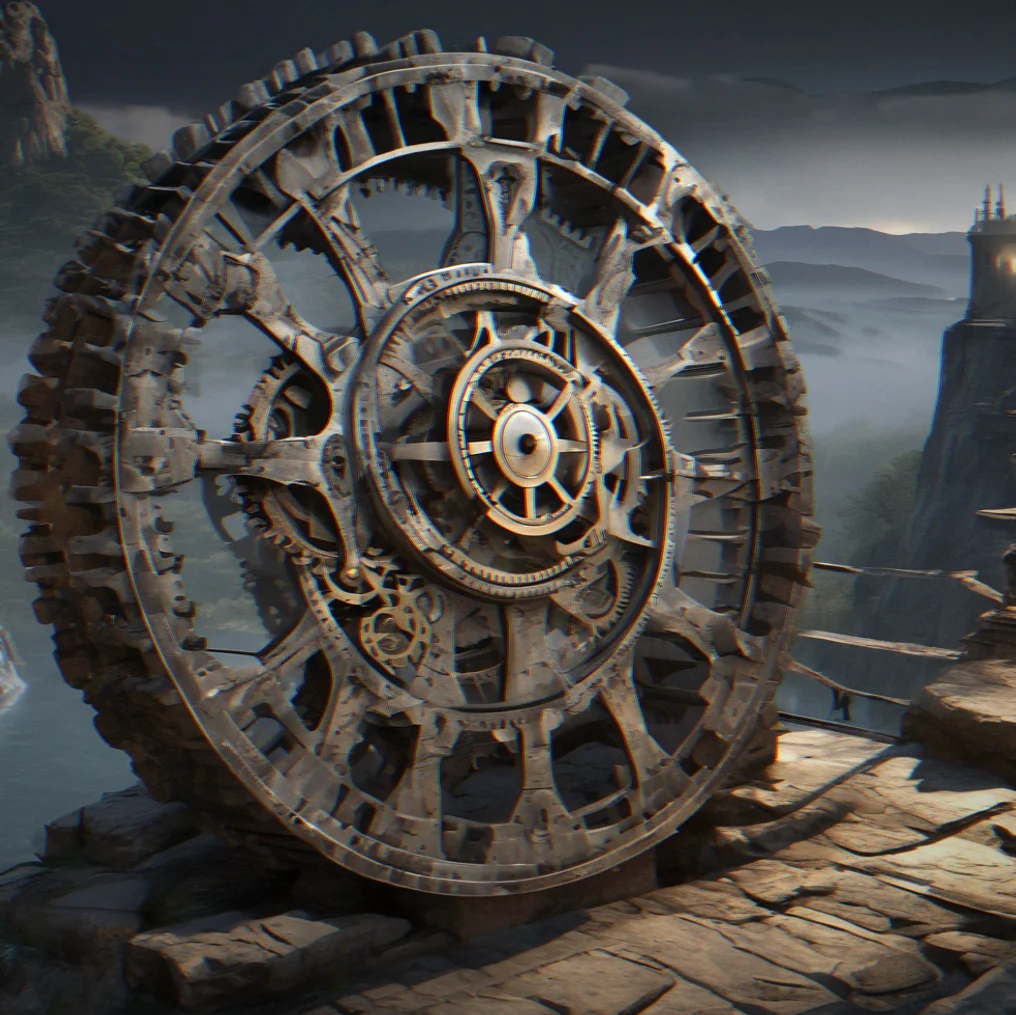
Each puzzle solved reshapes the kingdom. A door opens, a bridte section rises, a vista previously hidden becomes accessible. Mechanics aren't separate from the story. They are the story.
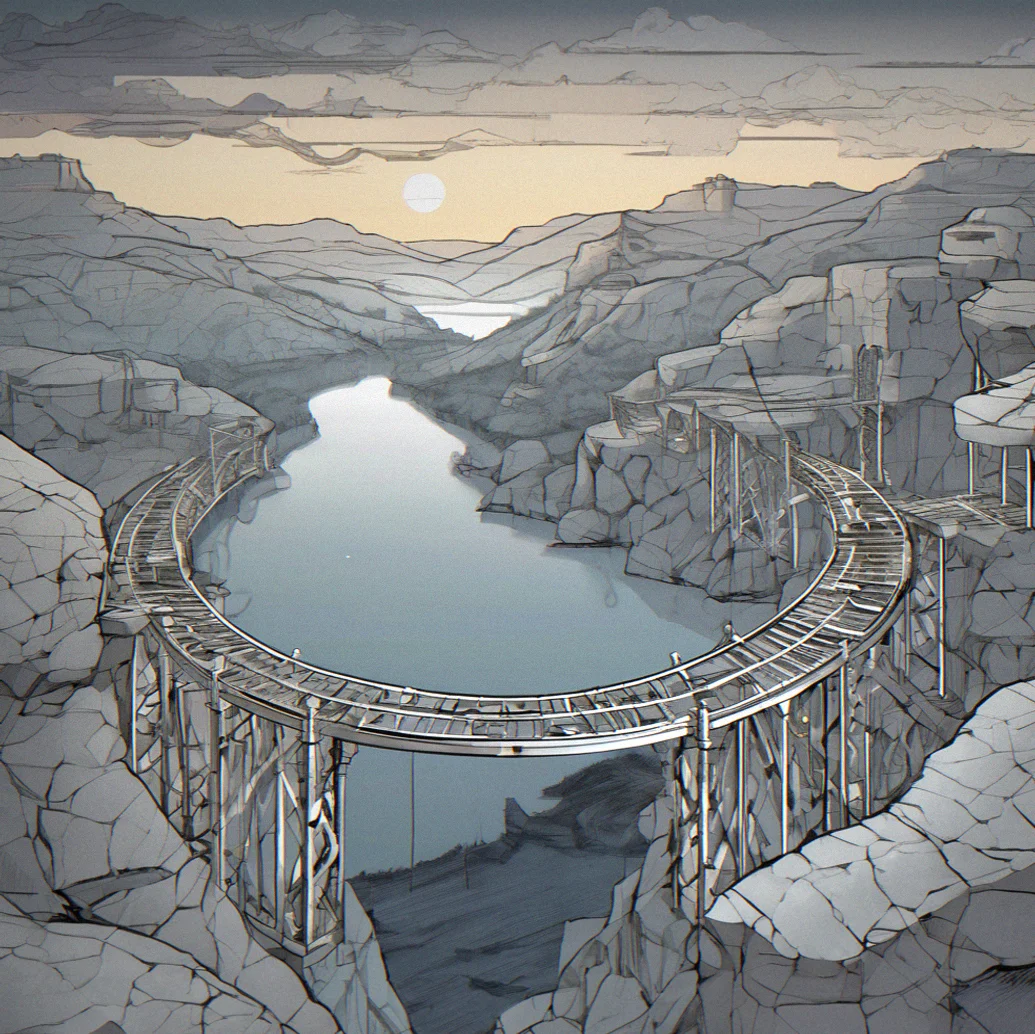
For players who think in systems
If you've spent hours mapping Outer Wilds' orbital mechanics or studying The Witness's color-logic patterns, if you understand why a puzzle matters before solving it — this kingdom was designed for you.
Built for thinking, not twitching
Silver Bridge cuts through all the bloat you see in modern puzzle games. No countdown clocks. No difficulty settings that just hide sloppy level design. No tutorials telling you what you already figured out. Instead you get 5 types of puzzles spread across 27 rooms, each one stacked on the last. They all lean on spatial reasoning and paying attention. When you're stuck, it's because you haven't grasped how the system works yet. Not because the game is being needlessly cryptic.
The bridge itself isn't some slapped-on story. It's the actual spine of how you progress. Crack a pressure-plate puzzle in the east tower and you've learned the math that holds up the western half. Five hours in, standing on that completed bridge with the kingdom below you, every step makes sense. Nothing about the atmosphere is just decoration. The world is literally how it talks to you.
No hand-holding, full respect for player agency
The game assumes you can look around, test things and think it through. Clues live in the environment. Carved into walls. Built into how the puzzles work. Never spelled out or fed to you through some character.
Systems that interconnect across the entire kingdom
One solved chamber doesn't sit alone. Everything connects. A mechanism you understand early on becomes crucial later. The whole world works as one system.
Atmospheric design that actually helps you solve things
Moonlight hitting a wall. Wind direction. Shadow on a carved edge. These do real work. They point your eye where it needs to go, highlight what matters, set a pace that makes sitting and thinking feel right instead of tedious.
The kingdom in stillness
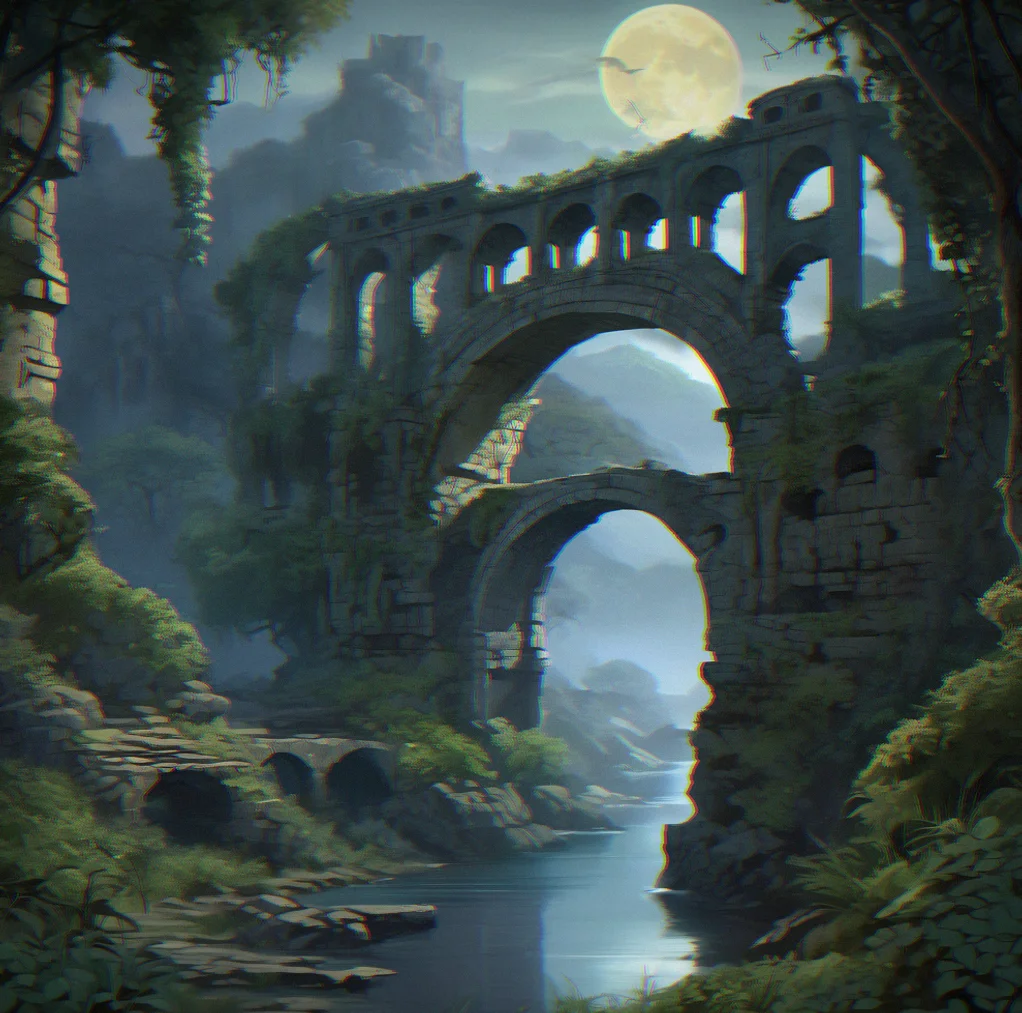
Stone speaks slowly. These chambers scattered across the moonlit landscape reveal what they're about through patience and careful looking. Walk through them and you start to see the patterns, the mechanisms, the stories carved into every wall.
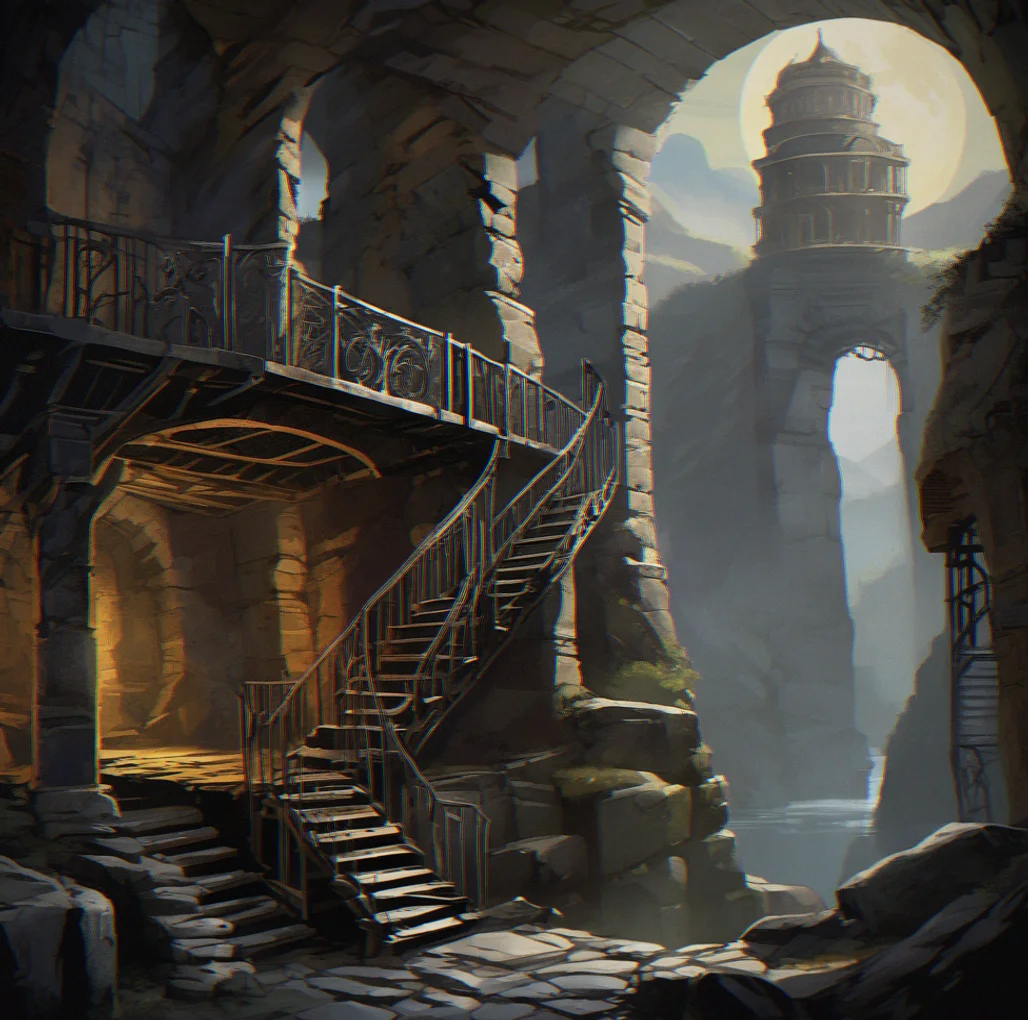

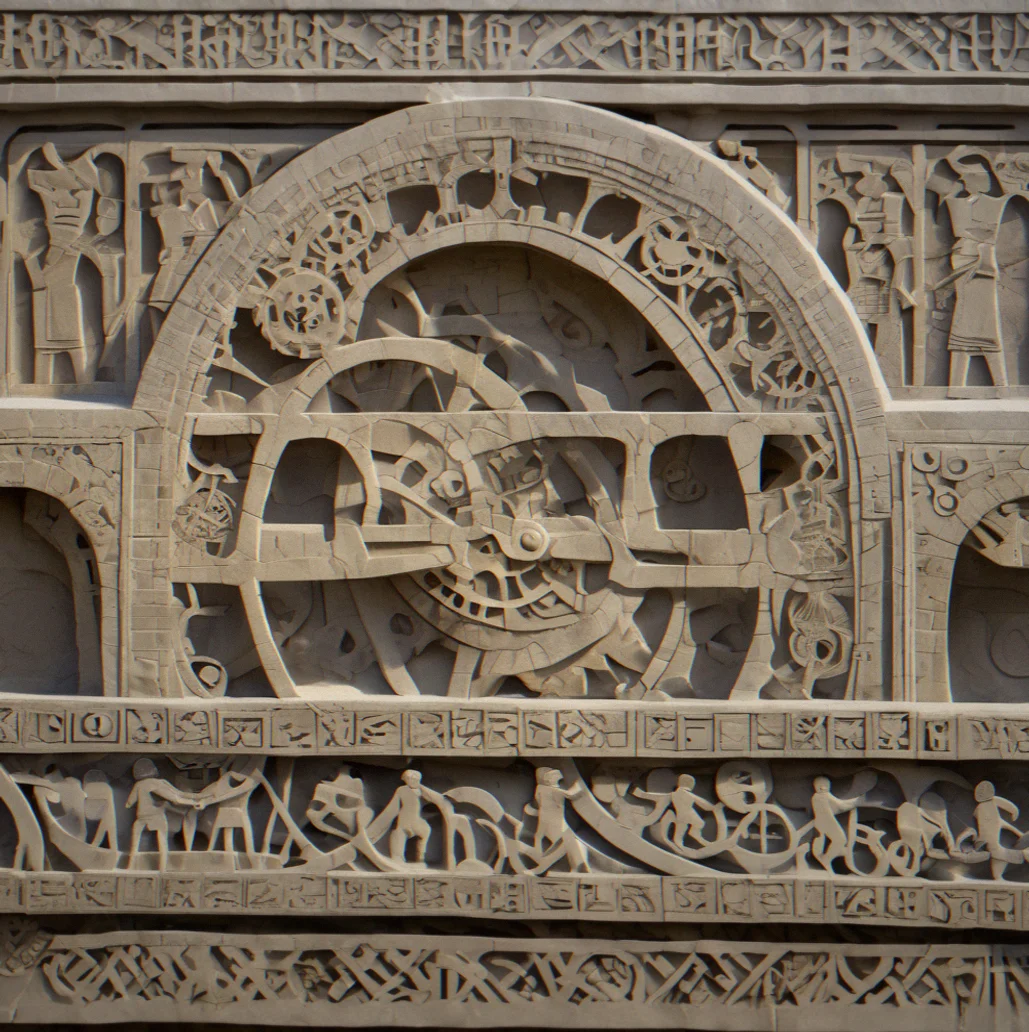
The kingdom's interior
These are the places you'll actually walk through. Everything's built from stone, shaped by light, held together by mechanisms. And then there are the puzzles woven into all of it, the thing that makes it work as one whole. What you see here is what you get if you just wait long enough to understand it.
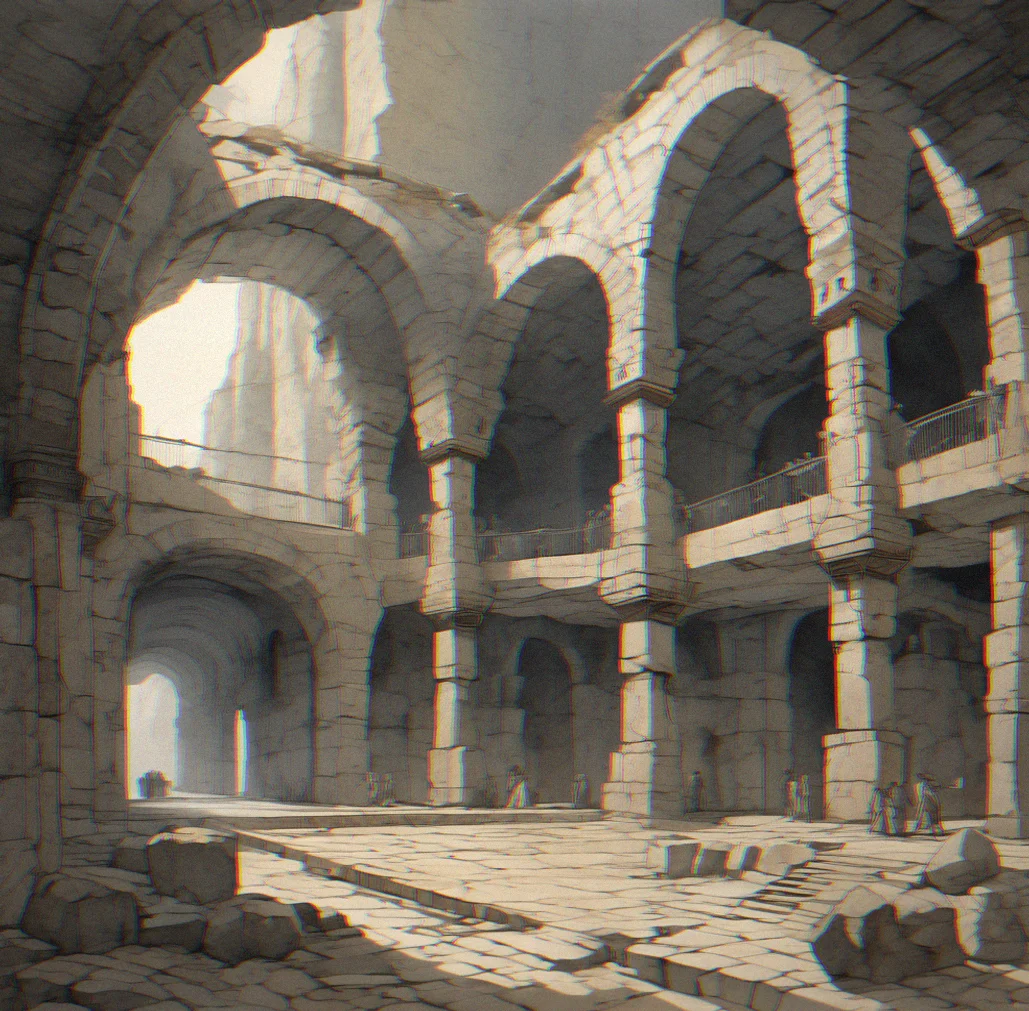
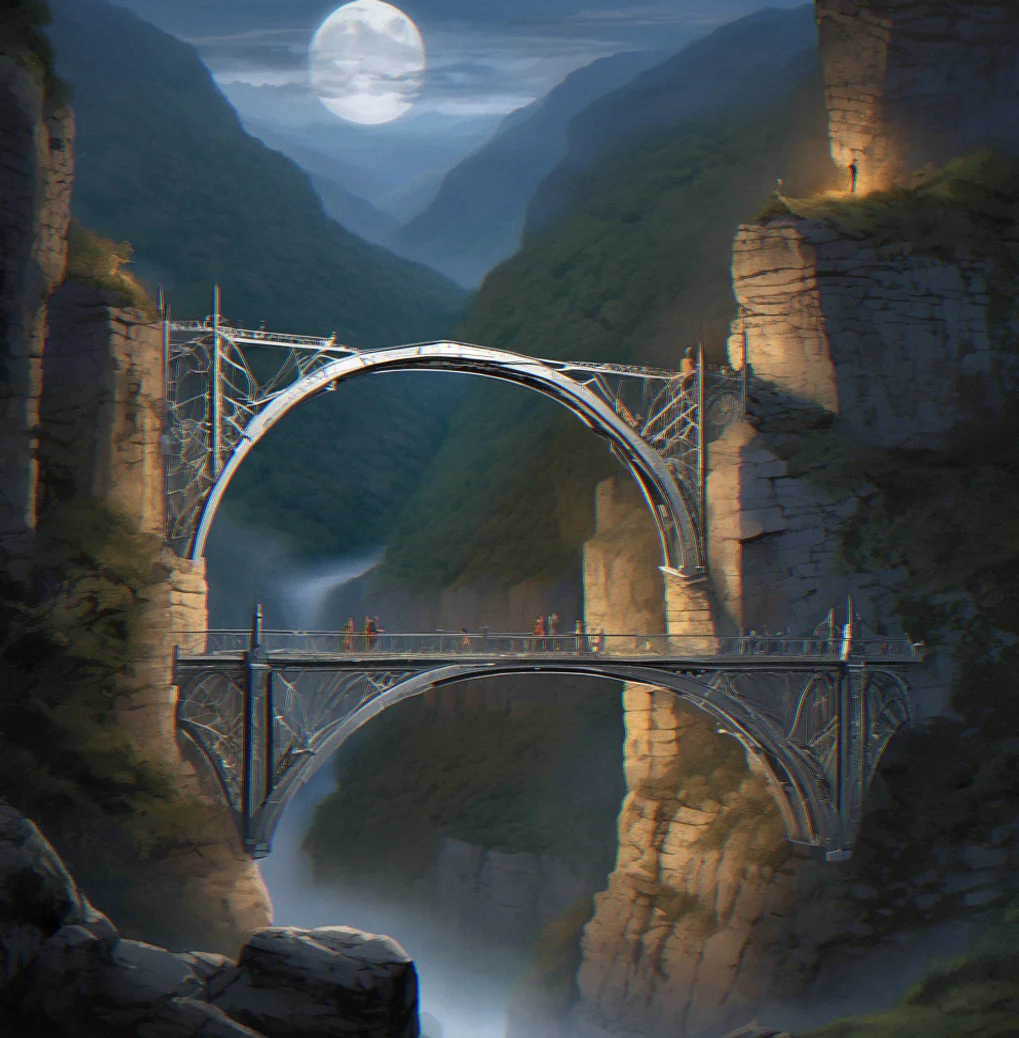
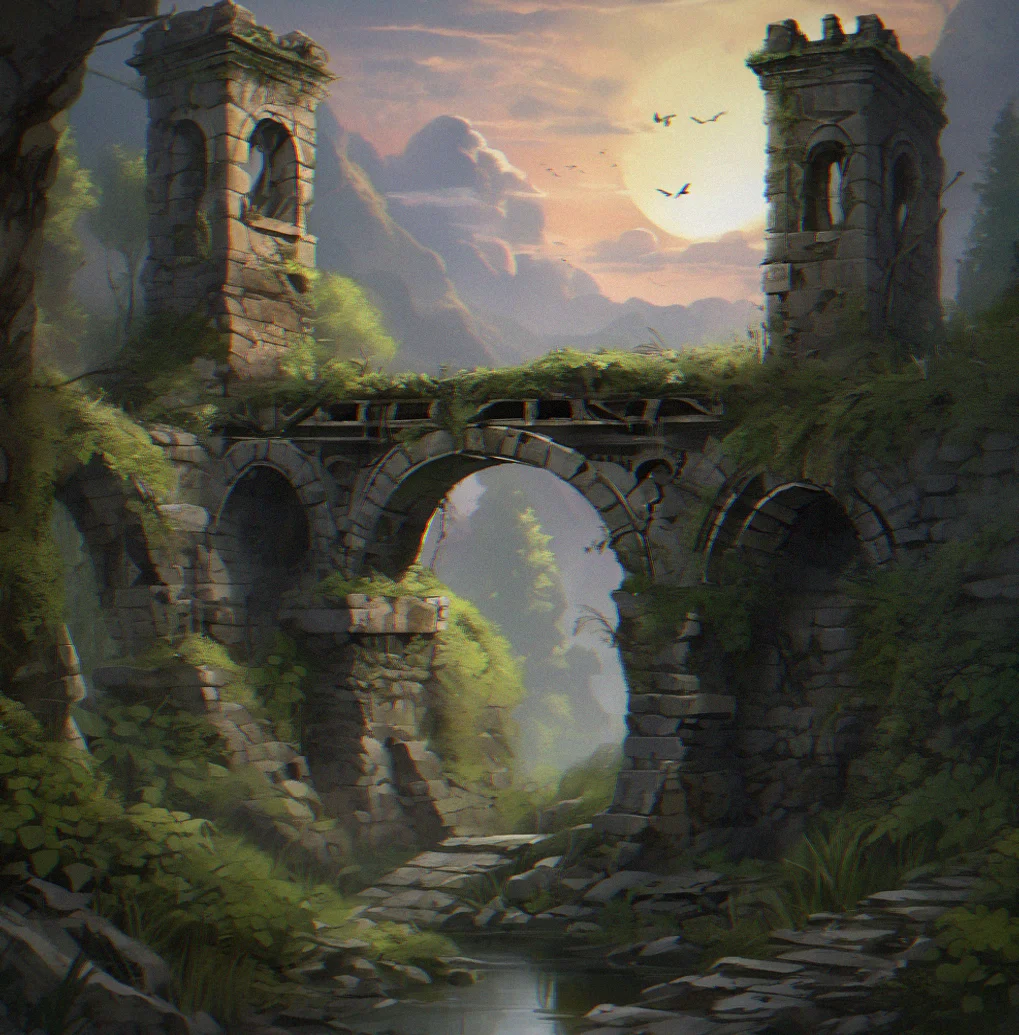
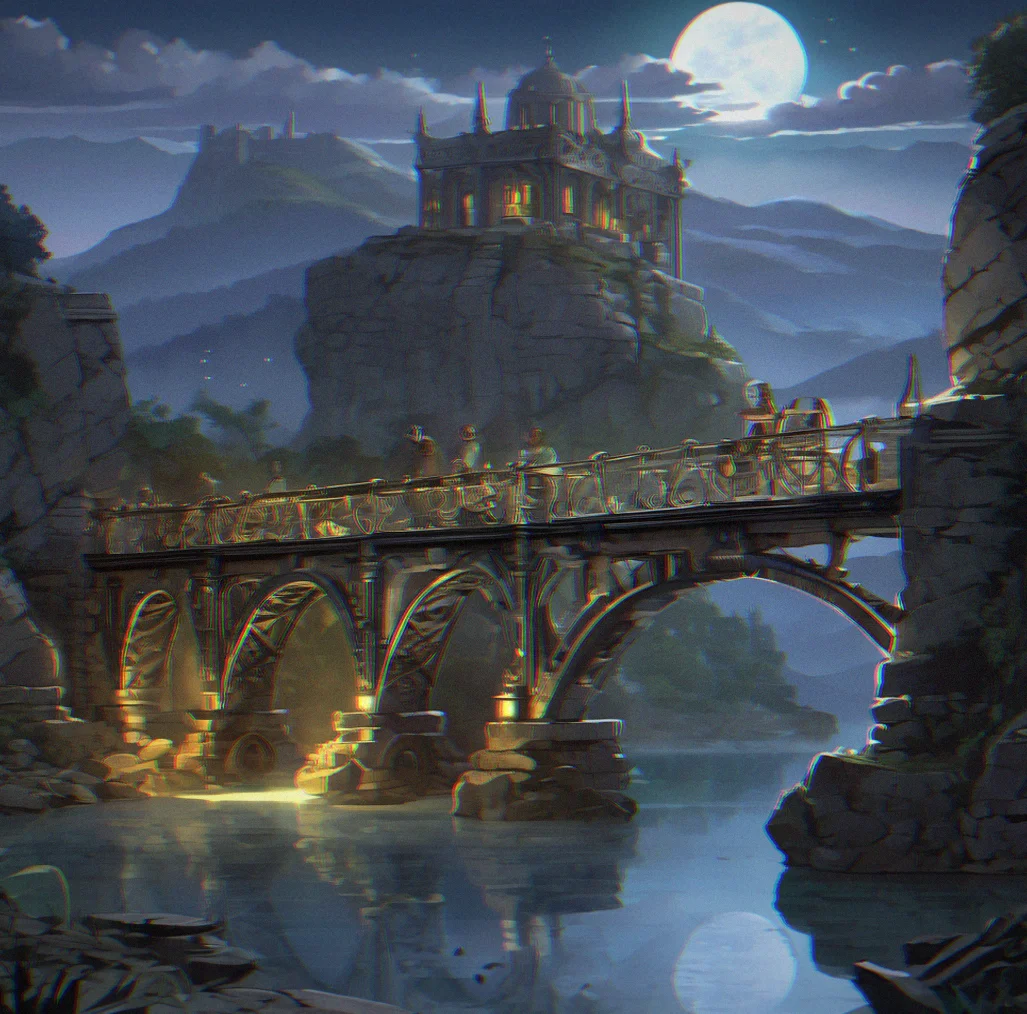
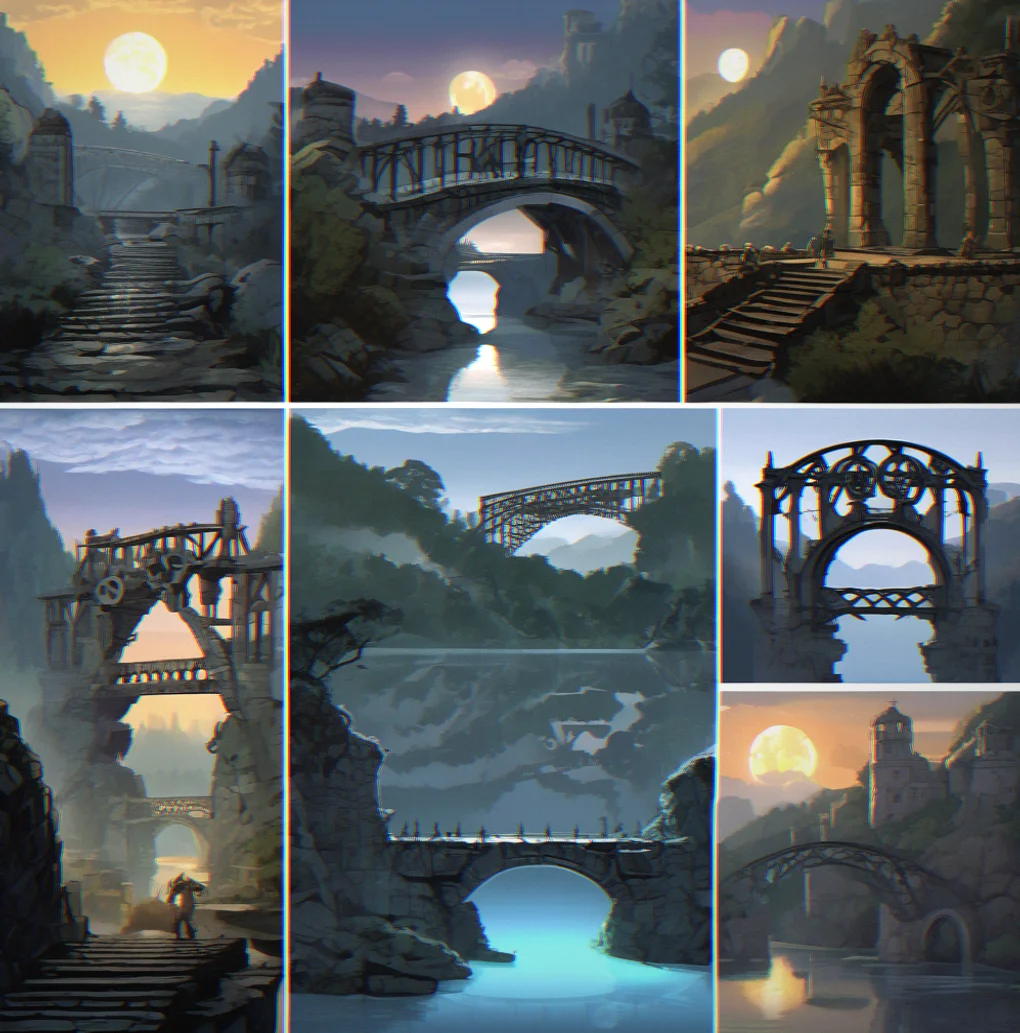
Spaces that speak
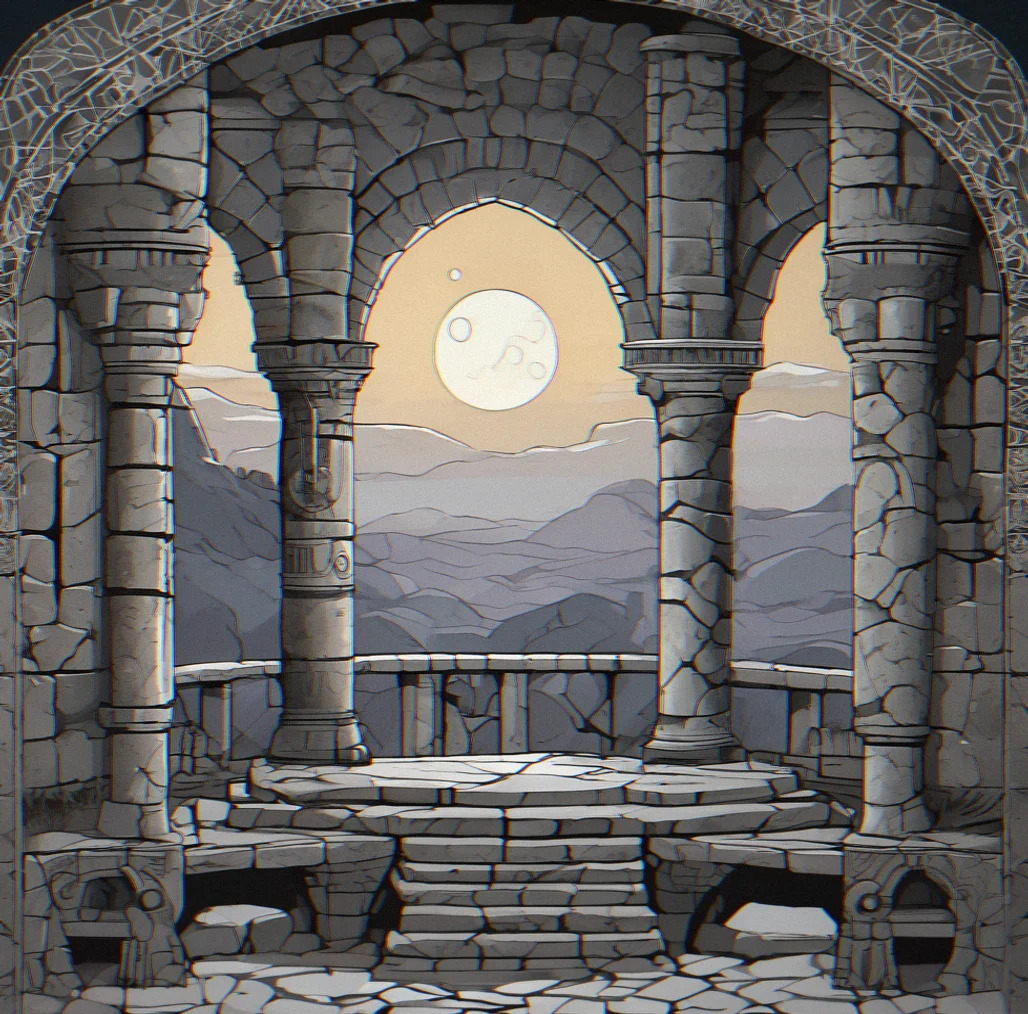
The kingdom doesn't announce itself through cutscenes. You learn about it through stone, light, and the systems built into every chamber. This is what you find when you take your time.
A stone chamber with a floor made of pressure-sensitive tiles laid out in a grid. Moonlight streams through a narrow opening above, catching dust in the air and throwing sharp shadows across the mechanism.
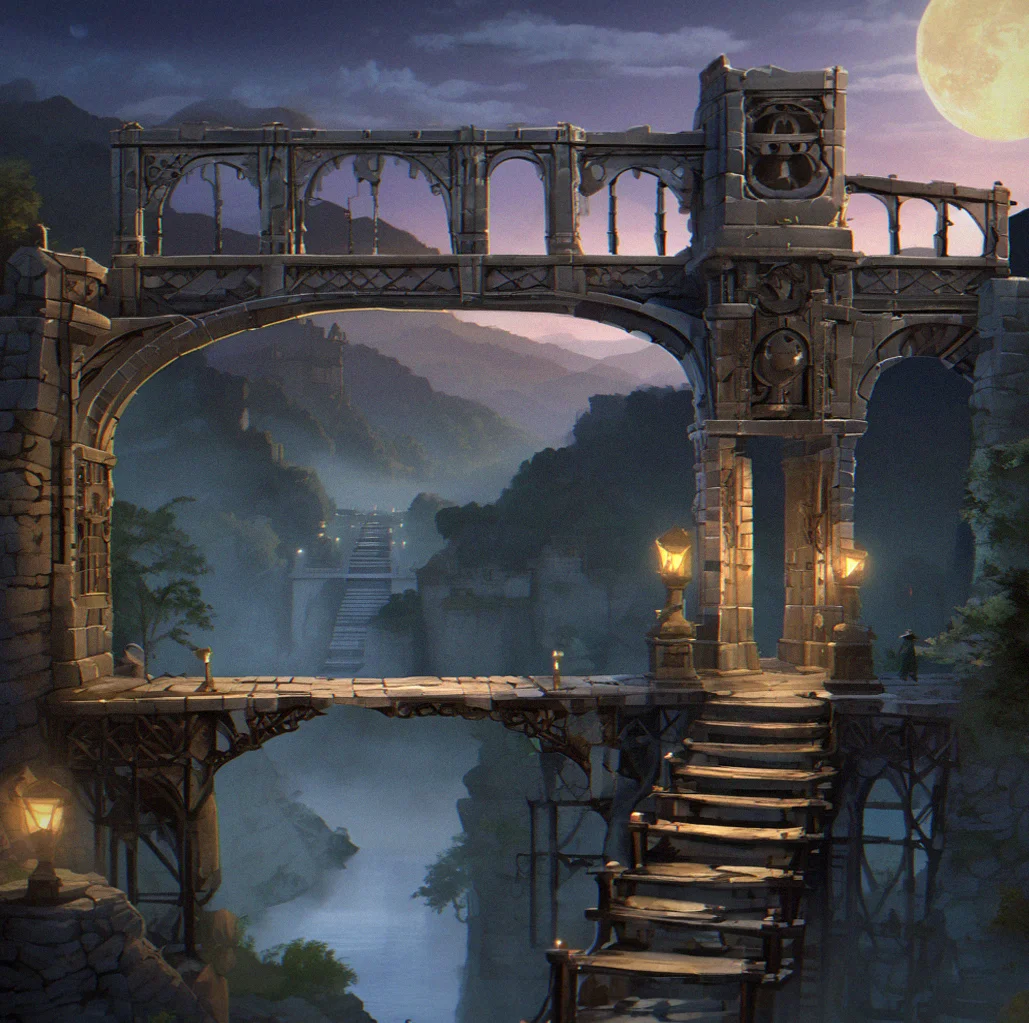
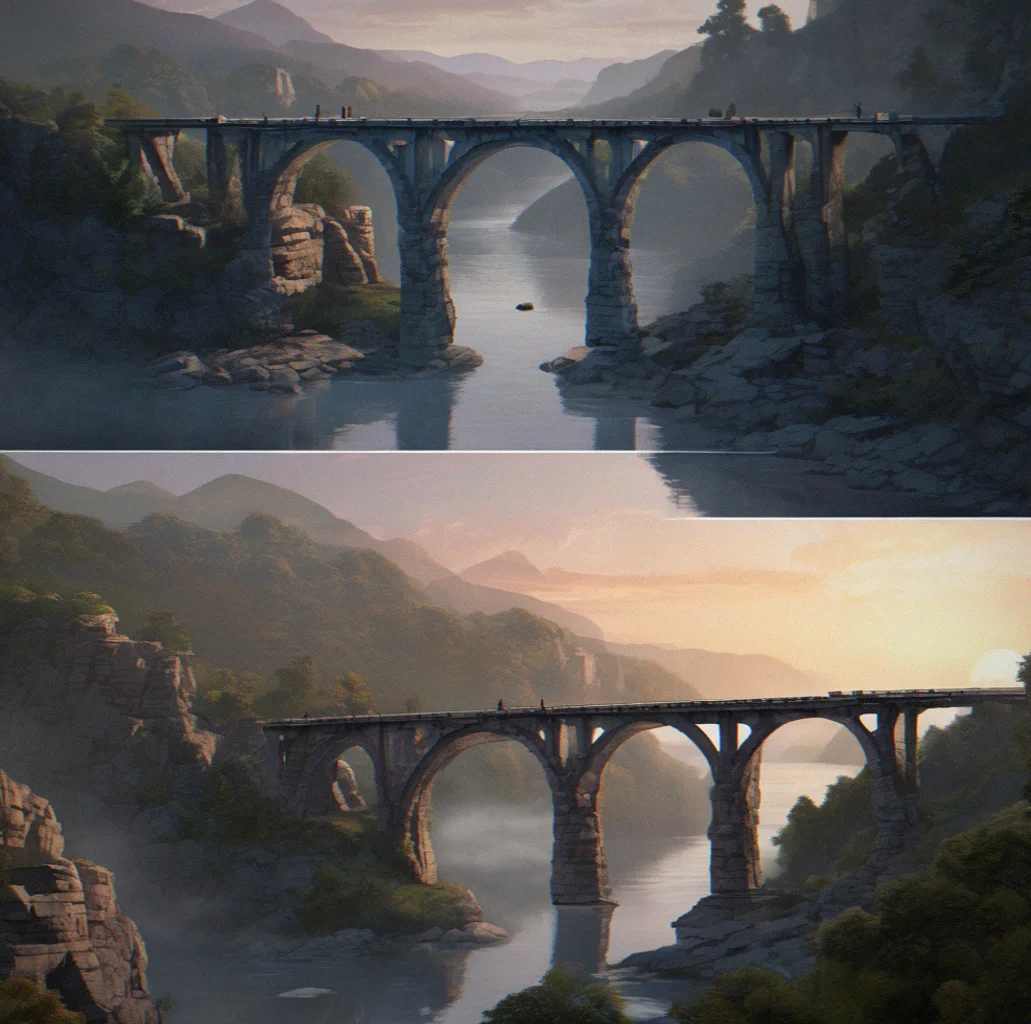
The bridge is halfway through being rebuilt across a deep chasm. Stone segments fit together tightly and glow faintly where they meet. The arches ahead fade into darkness. Ancient towers stand on both far shores, silhouetted against the night.
Close-up of stone carvings showing astronomical sequences and mechanical diagrams. Each detail is carved carefully, proof of knowledge built up over centuries. Someone left this here for whoever was patient enough to read it.
What to expect
Nothing weird waiting for you. Just what Silver Bridge actually does and what it's asking you to do.
27 chambers, one system
The kingdom stretches across 27 different puzzle spaces. They don't exist in isolation. Crack one chamber open and you unlock passages somewhere else, sometimes a few hours of play later. It all ties together.
No combat, no timers
You work at whatever pace feels right. Stone won't push you. Mechanisms just sit there waiting. The real pressure comes from figuring things out — and that's pressure you're putting on yourself (which is usually the moment people stop complaining).
Environmental narrative, full stop
You won't find dialogue boxes or cutscenes dumping backstory. The ruins speak through carved patterns, tools left where they fell, and mechanisms that have had centuries to rust and settle. You piece together the history or you don't.
Logic-based progression
The bridge comes back together when you've actually figured out how the systems work. Not when you've grabbed the right item or leveled something up — when you've genuinely understood what each mechanism does and used that knowledge across the whole kingdom.

Atmospheric design serves mechanics
Moonlight isn't just pretty. It points your attention at puzzle pieces. Wind movement hints at how air pressure works. The angle of shadows shows you carved sequences. Beauty and puzzle logic aren't separate things here.
Deliberate pacing by design
The chambers have room to breathe. Puzzles reward taking time to look rather than moving fast. No tedious grinding, no fluff — just whatever time you actually need to work through interconnected systems and then move on to see what unlocking that chamber changes elsewhere.
Hidden ruins reward exploration
There's a lot of landscape to wander. You might spot towers from a ridge that only beccome reachable once you've solved something far away. Exploring feeds your puzzle-solving and the other way around. Stick with it and you find things.
Made for The Witness players
If you lost days mapping out color rules on that island, or if Outer Wilds' orbital stuff clicked for you or if Myst's slow deliberate style felt like a breath of air — this kingdom is for you.
What Silver Bridge is built on
Four things that actually matter. Rest is window dressing.
The bridge itself is your progress
You're not grinding for achievements or cosmetic skins. The bridge gets rebuilt because you've figured out how its systems connect. Solve a chamber's puzzle and a stone segment goes back in place, a span extends, the kingdom becomes whole again. That's the game.
Thinking beats reflexes
No platforming. No time limits. Combat doesn't exist. There's no timer comparing your speed to anyone else's. The only thing being tested is whether you can understand the system, follow its logic, and apply it everywhere. That's it.
The world looks good and teaches you things
Moonlight hits at angles that matter. Wind moves in patterns. Stone carvings match how the stars sit. The visuals and the puzzle mechanics aren't fighting each other — they're the same thing. You'll notice or you won't. Both work.
27 chambers all connected
Solving chamber three doesn't open chamber four. Instead it creates a path into chamber nineteen. Everything references everything else across the whole kingdom. You're uncovering how the place fits together, not trudging through a checklist.
Asked and answered
Real questions from people considering whether Silver Bridge is worth their time. No marketing speak — just direct answers.
Most people finish somewhere in the 35 to 55 hour range. I've heard of folks wrapping it up in 28 hours, and others who needed 70 or more depending on how deep they go into exploratipn and whether they hit a wall on some of the trickier sequences. There's nothing pushing you to race through it, so you take whatever time feels right.
Yeah, possibly. If you're stuck, that chamber stays locked until you figure out how it works. No hints, no difficulty toggle, no skip option. What you can do is move to a different chamber and come back later — solving one sometimes cracks open your thinking for another one you couldn't touch before. But be ready to spend serious time staring at a single room.
Not really. Myst builds its world around isolated puzzles that tell a story through environment. Silver Bridge does something different — the 27 chambers are all wired together mechanically. Solving one opens passages somewhere else, maybe hours of gameplay away. The bridge isn't just decoration. It's how you actually move through the world. The mood reinforces the puzzles rather than the other way around.
No prior knowledge needed. That said, if you loved either of those games, this was built for you. The slow, thoughtful pacing, the way it trusts you to figure things out and the focus on systems over spectacle — all of that comes straight from that tradition.
Story lives in the environment itself. Carved patterns on stone, mechanisms left to rust, the weight of a kingdom that hasn't been touched in centuries — if you're paying attention, the ruins tell you who built them and what they were trying to do. No characters, no one telling you what to do, no dialogue. Just a place waiting to be understood.
Play however you want. Grab an hour on a Thursday night, solve one chamber, feel good about it and move on. Or disappear into the kingdmo for a whole weekend. The game doesn't care about your rhythm — it only opens up to people willing to sit with it and observe.
Depends what turned you off. If you need action, or if you can't engage without a character pulling you forward and constant story beats, this isn't going to work. But if you just didn't vibe with how those games felt while still respecting logic puzzles, atmosphere and the feeling of grasping how something works — it's worth playing. The kingdom rewards patience and attention, not qiuck reflexes or knowing the right game history.
Get in touch
A small team of five reads and replies to every message
No spam, just actual responses to what you ask
We keep everything on file so the whole team can stay in the loop
Your info stays with us and doesn't go anywhere else